
Introduction
Fleas can be more than just an annoyance for puppies; they can pose serious health threats. Flea infestations can worsen rapidly, leading to intense itching, allergic reactions, and more severe health problems. Knowing the safest flea treatment for puppies is vital for every pet owner. Early identification of flea symptoms and effective treatment and prevention strategies can keep your puppy happy and healthy. This guide provides essential details on protecting your puppy from fleas efficiently.

Identifying Fleas and Symptoms in Puppies
Young puppies are particularly susceptible to flea infestations because of their developing immune systems and delicate skin. Recognizing signs of fleas early can prevent the situation from deteriorating.
Recognizing Flea Infestation in Puppies
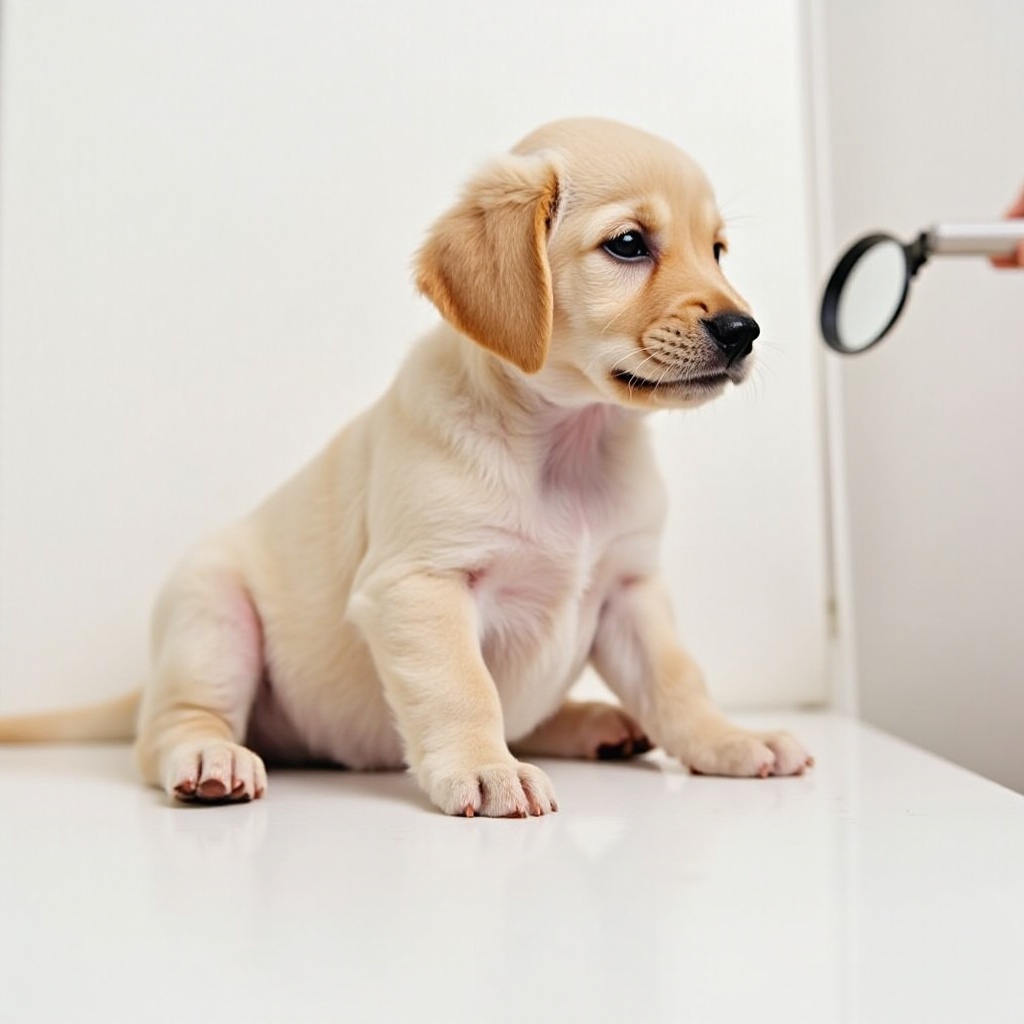
Fleas are small, dark, wingless insects that move quickly through your puppy’s fur. Symptoms of an infestation include excessive scratching, particularly around the neck, tail base, and belly. Upon closer inspection, you might notice tiny black specks (flea dirt) or even fleas themselves. Look for signs of irritation or red bumps as evidence of bites.
Health Risks of Fleas on Young Puppies
Fleas can cause significant harm to puppies, leading to severe itching and discomfort that may result in skin infections from constant scratching and chewing. Additionally, flea infestations can cause anemia in young puppies due to substantial blood loss. Fleas also pose a risk of transmitting tapeworms if ingested by the puppy during grooming.
Vet-Recommended Flea Treatments for Puppies
Consulting a veterinarian is crucial to determine the most suitable flea treatments for your puppy. Several effective solutions are recommended by professionals.
Topical Treatments
Topical treatments are popular for flea control in puppies. These treatments come in liquid form applied directly on the skin, usually at the neck’s base. Products like Advantage II, Frontline Plus, and Revolution are top choices. They kill adult fleas and prevent the development of flea eggs and larvae. Always ensure the product is safe for your puppy’s age.
Oral Medications
Oral medications for flea treatment are gaining popularity because of their effectiveness and ease of use. Products such as Capstar and NexGard contain active ingredients that kill fleas rapidly. Capstar starts working within 30 minutes, eliminating many adult fleas within hours. These medications are particularly beneficial during an active infestation. Use them under veterinary guidance to ensure safety, particularly for very young puppies.
Flea Collars
Flea collars are another effective option for preventing and treating flea infestations in puppies. High-quality flea collars can offer long-lasting protection, with some lasting up to 8 months. Brands like Seresto produce collars that release a steady dose of flea-repellent chemicals over time. These collars are usually water-resistant and provide a convenient, low-maintenance solution for ongoing flea prevention.
Natural Remedies for Flea Control
Some pet owners prefer natural remedies for flea control. While generally less potent than chemical treatments, natural solutions can be effective when used as part of a comprehensive flea management plan.
Essential Oils
Certain essential oils can repel fleas and soothe your puppy’s skin. Lavender, eucalyptus, and citronella oils are commonly used. To make a diluted spray, mix a few drops of essential oil with water and lightly mist your puppy’s coat. Avoid direct contact with their eyes, nose, and mouth. Consult your vet before using any new substance on your puppy’s skin.
Homemade Flea Shampoos
Homemade flea shampoos can be a gentle yet effective method for flea control. A basic recipe includes mild dish soap or baby shampoo mixed with water and a few drops of flea-repelling essential oils. Bathing your puppy regularly with this mixture can help keep fleas at bay while soothing irritated skin.
Herbal Flea Sprays and Powders
Herbal flea sprays and powders, which use natural ingredients, can deter fleas. Diatomaceous earth, rosemary, and lemon are useful components for these remedies. Sprinkling these powders on your puppy’s bedding and around the home can create an environment hostile to fleas. Regular use can enhance the effectiveness of your flea control strategy.
Preventive Measures and Follow-Up Care
Addressing an active infestation is crucial, but preventive measures and regular follow-up care are essential for long-term control.
Environmental Cleaning Practices
Keeping your home clean is one of the best ways to prevent flea infestations. Frequently vacuum areas where your puppy spends time and wash their bedding in hot water regularly. Consider using flea foggers or sprays for additional protection.
Regular Grooming and Vet Visits
Regular grooming helps detect and prevent flea problems early. Use a flea comb to check for fleas and flea dirt in your puppy’s coat and clean grooming tools after each use. Regular vet check-ups can provide early detection and timely intervention against fleas and other pests.
Safe Grooming Practices
Ensure you’re using suitable tools and products when grooming your puppy. Follow your vet’s guidance on which products and treatments are safe for your puppy’s age and size. Proper grooming practices can prevent skin irritation and infections that could worsen a flea infestation.

Conclusion
Keeping your puppy free of fleas is essential for their overall health and well-being. By understanding the options available—from vet-recommended treatments to natural remedies—and implementing preventive measures, you can protect your puppy from these pesky parasites. Regular grooming and a clean environment further enhance your flea control efforts. Always consult with your veterinarian to ensure that the chosen treatment or prevention strategy is safe and appropriate for your puppy.
Frequently Asked Questions
What are the safest flea treatments for puppies?
The safest flea treatments for puppies include vet-recommended options such as topical treatments, oral medications, and flea collars. Products like Advantage II, Capstar, and Seresto collars are commonly recommended. It’s crucial to follow your veterinarian’s advice to ensure the chosen treatment is safe for your puppy’s age and size.
Can natural remedies be effective for flea control in puppies?
Yes, natural remedies such as essential oils, homemade flea shampoos, and herbal flea sprays can be effective as part of a broader flea control strategy. While they may not be as potent as chemical treatments, they can still play a significant role in repelling fleas and providing relief for your puppy.
How often should I treat my puppy for fleas?
The frequency of flea treatment depends on the specific product used and your vet’s recommendations. Topical treatments are typically applied monthly, while oral medications may be given more frequently during an active infestation. Regular preventive measures and environmental controls complement these treatments and reduce the likelihood of re-infestation.