
Introduction
Electric vehicles (EVs) are becoming more popular, and with this growing trend comes the need for reliable charging solutions. ChargePoint EV chargers are among the top choices for EV owners, offering convenience and efficiency. This guide will walk you through the process of installing a ChargePoint EV charger, highlighting key preparation steps, the installation process, and post-installation tasks to ensure your charger operates flawlessly.
Understanding ChargePoint EV Chargers
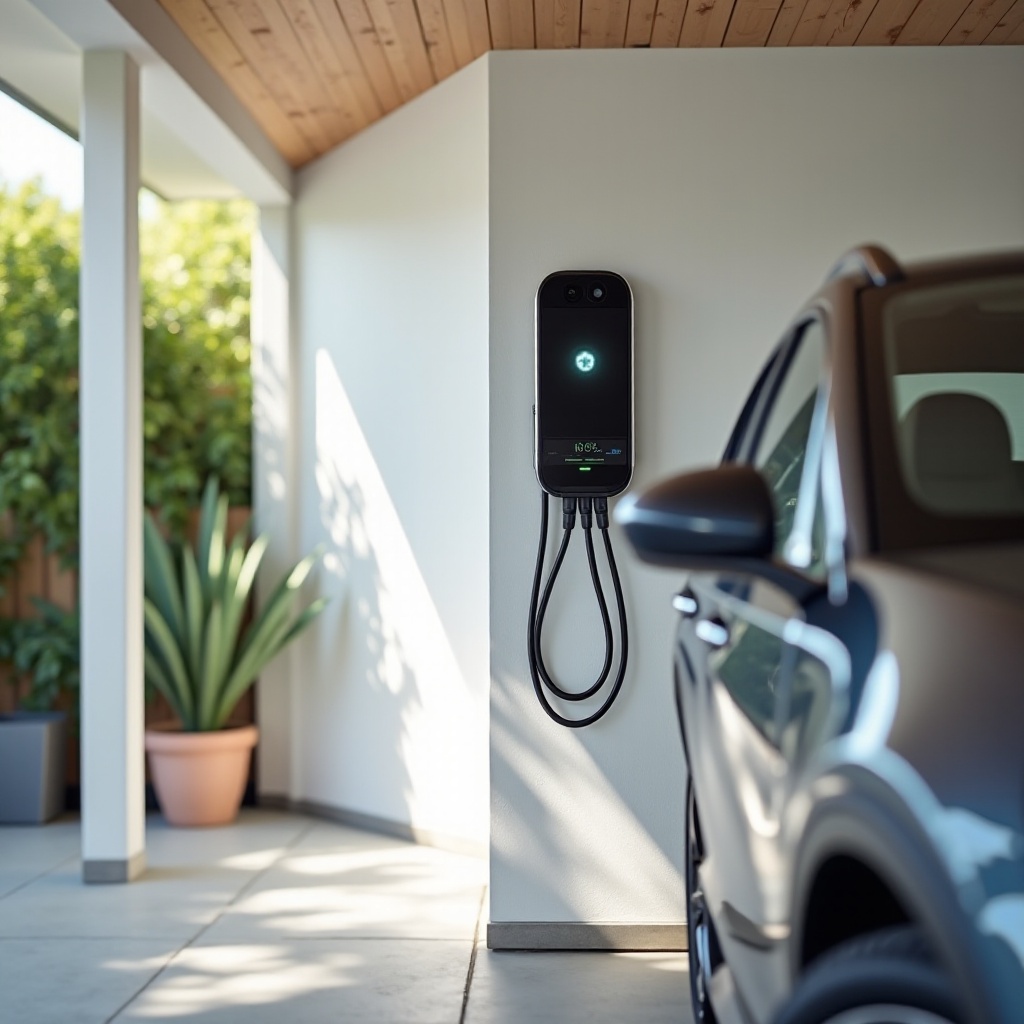
ChargePoint EV chargers are known for their reliability and innovative features. These chargers are compatible with a wide range of electric vehicles, providing fast and efficient charging. One of the standout features of ChargePoint chargers is their integration with the ChargePoint app, allowing users to monitor charging progress, schedule charging times, and track their energy usage.
By choosing a ChargePoint EV charger, you invest in quality and convenience. However, successful installation requires careful preparation and adherence to safety standards. The next sections will cover the necessary preparations and detailed installation steps.
Preparation for Installation
Assessing Your Home’s Electrical Capacity
Before installing your ChargePoint EV charger, assessing your home’s electrical capacity is essential. Most residential EV chargers require a dedicated 240-volt circuit, similar to what is needed for large appliances like dryers. Ensure your electrical panel has the capacity and available slots for an additional circuit breaker. An electrician can help assess this and advise on any necessary upgrades.
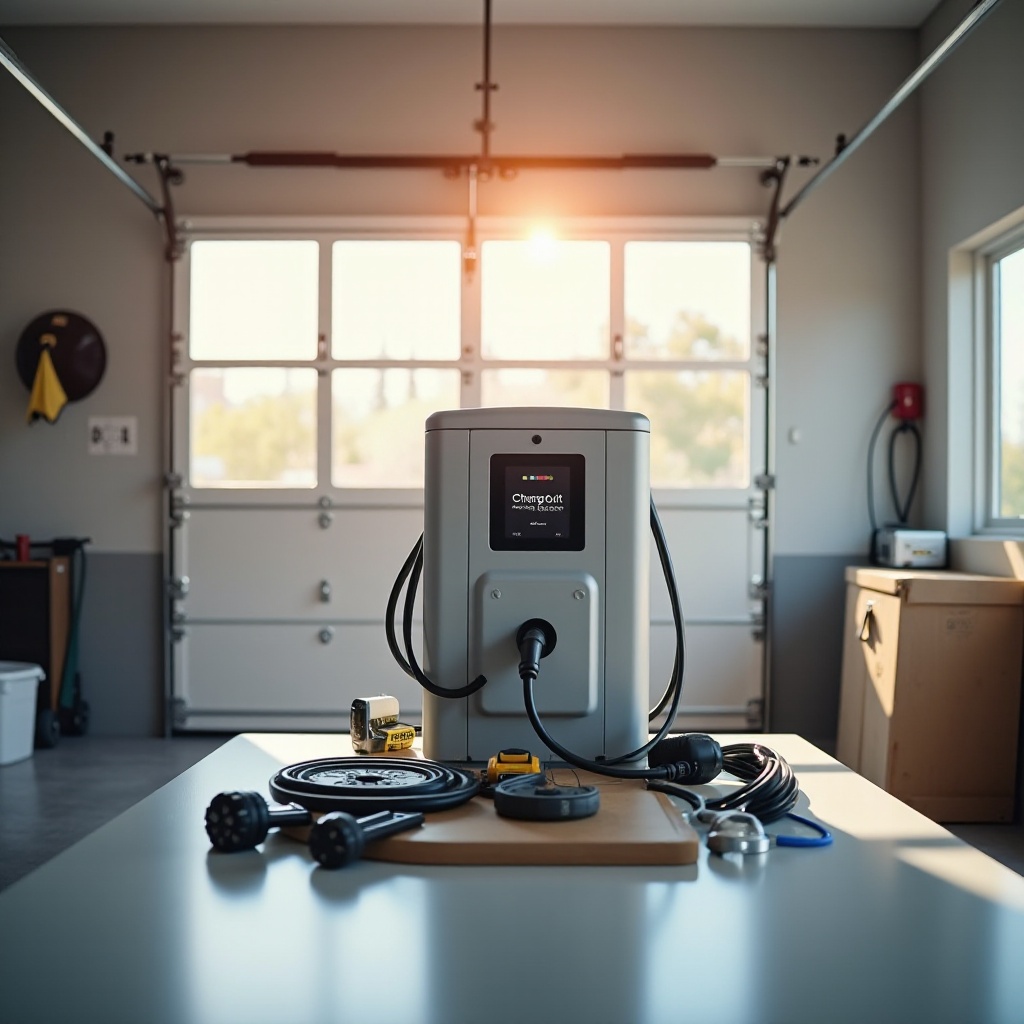
Necessary Tools and Equipment
Having the right tools and equipment is crucial for a smooth installation:
- Drill and Drill Bits
- Stud Finder
- Level
- Screwdriver
- Circuit Tester
- Wire Strippers
- Voltage Meter
These tools will help you with tasks such as mounting the charger, connecting wires, and ensuring safety.
Consulting with a Qualified Electrician
While handy homeowners might tackle some electrical projects, consulting with a qualified electrician is highly recommended for installing your EV charger. They will ensure the installation meets local codes and regulations, and the electrical system is safe and capable of handling the additional load.
Step-by-Step Installation Process
Mounting the Charger
- Choose a Location: Select a convenient spot near your parking area. Ensure the charger will be mounted where it’s easily accessible and close to an electrical outlet.
- Mark Drill Points: Use a stud finder to locate wall studs for the mounting bracket. Mark where you will drill the holes.
- Drill Holes: Drill holes at the marked points.
- Attach the Mounting Bracket: Secure the mounting bracket to the wall using screws and ensure it is level.
Connecting to Your Electrical System
- Turn Off the Power: Switch off the main power supply to your home to prevent any risks of electrical shock.
- Install the Circuit Breaker: Add a new circuit breaker to your electrical panel if not already available.
- Run the Wiring: Run the necessary wiring (typically a gauge suitable for 240-volt circuits) from the electrical panel to the charger location.
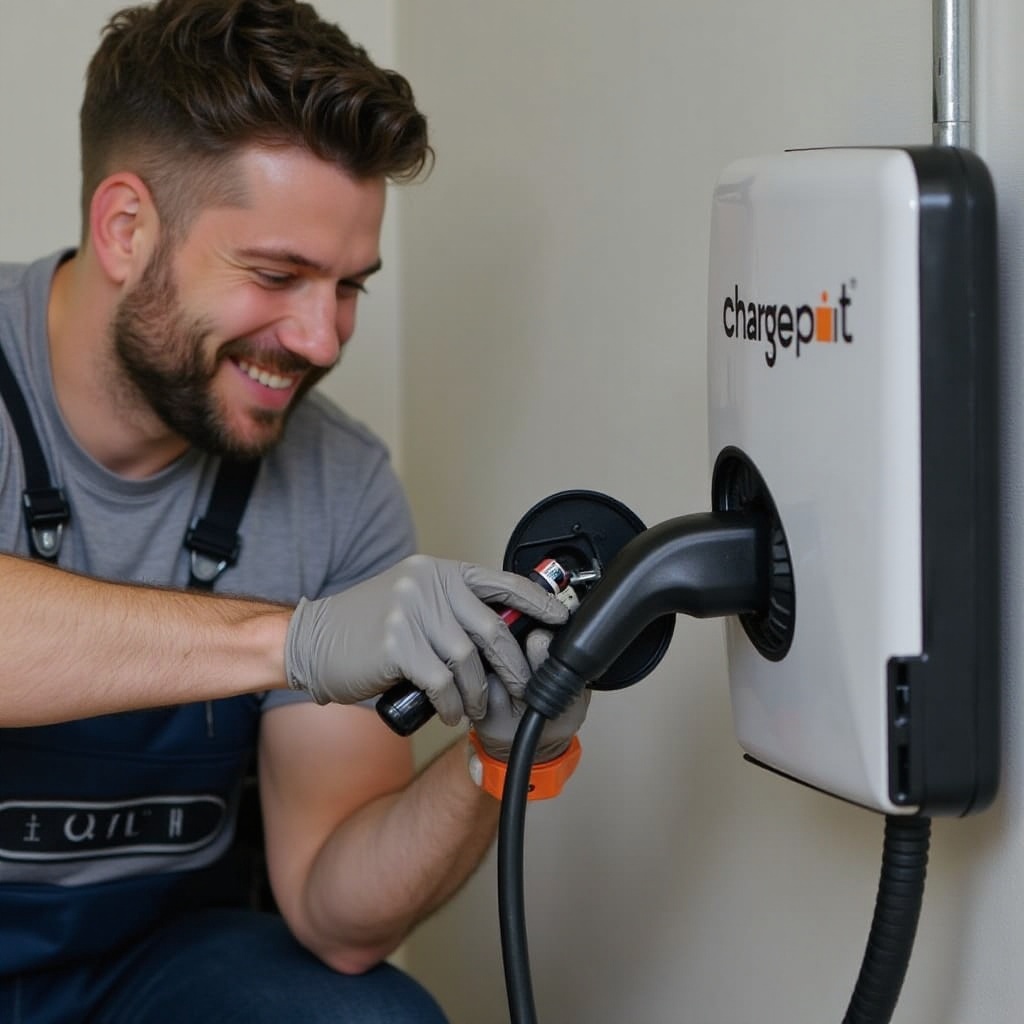
- Connect Wires to the Charger: Remove the front panel of the charger, connect the wires according to the manufacturer’s instructions, ensuring each wire is securely fixed.
- Reassemble the Charger: Once connections are made, reattach the front panel of the charger.
Testing and Ensuring Proper Functionality
- Restore Power: Turn the power back on at the main breaker.
- Test the Charger: Use a voltage meter to ensure the correct voltage is present at the charger.
- Check Charging Functionality: Plug in your EV and ensure that the charger starts the charging process without any issues.
Safety Considerations
Proper Grounding
Proper grounding is vital for safety. Ensure the charger is correctly grounded to prevent electrical hazards. This step is crucial in avoiding shocks and ensuring the longevity of your EV charger.
Adherence to Local Codes and Regulations
Adhering to local electrical codes and regulations is essential to ensure your installation is safe and legal. Failure to comply can result in fines or more severe issues. A licensed electrician will be familiar with these requirements and ensure that your installation is compliant.
Post-Installation Steps
System Testing and Verification
After installation, it’s important to conduct a thorough system test. This ensures that the charger meets all operational requirements and functions correctly. Test the charger under various conditions to verify consistent performance.
Registering Your Charger
Upon successful installation, register your ChargePoint EV charger. Registration can typically be done via the ChargePoint app or website. This step ensures you can track usage, access support, and receive software updates.
Understanding the ChargePoint App
The ChargePoint app is a valuable tool for managing your charger. It allows you to monitor charging sessions, set schedules, and get notifications. Getting familiar with the app will help you maximize the charger’s benefits.
Troubleshooting Common Issues
Electrical Problems
If the charger isn’t working, check the circuit breaker and ensure all connections are secure. Use a voltage meter to verify power at the charger.
WiFi Connectivity
Ensure the charger is within range of your WiFi network. If connectivity issues persist, refer to the ChargePoint support for troubleshooting steps.
Optimal Charging Speed
If the charging speed seems slow, check if the charger settings are configured correctly. Ensure there are no issues with the power supply or connections.
Conclusion
Installing a ChargePoint EV charger at home is a practical and efficient way to keep your electric vehicle ready to go. By following this guide, you can ensure a safe and effective installation process. Proper preparation, professional consultations, and adherence to safety standards are crucial. After installation, take advantage of the ChargePoint app for easy management and monitoring of your charging sessions.
Frequently Asked Questions
Can I install a ChargePoint EV charger myself?
While possible, it is recommended to hire a qualified electrician to ensure the installation meets all safety and code requirements.
How much does it cost to install a ChargePoint EV charger?
Installation costs vary but typically range from $500 to $1,200, depending on your home’s electrical setup and installation complexities.
What are the benefits of installing a ChargePoint EV charger at home?
Home installation offers convenience, saves time, and ensures your EV is always ready with a full charge.