
Homeowners compare energy solutions for cost, reliability, sustainability, and control. Home solar panels stand out because they convert free sunlight into electricity, but their role becomes clearer when evaluated alongside alternatives such as grid electricity, gas generators, and hybrid home battery systems. Understanding these comparisons helps you choose a long-term strategy that fits your energy goals and lifestyle. Portable tools like the Anker SOLIX PS400 Portable Solar Panel also illustrate how solar behaves in real conditions, making these comparisons more intuitive. Whether you focus on savings, backup reliability, or environmental benefits, looking at each solution side-by-side reveals the unique strengths of home solar power.
How Solar Panels Compare to Grid Electricity?
Cost Structure Differences That Shape Long-Term Savings
Grid electricity relies on continuous utility generation and distribution, with rates that change based on demand, fuel prices, and policy. Home solar panels break this pattern by allowing you to produce your own energy once the system is installed. Monthly bills often decrease significantly when solar covers daytime loads. Many regions support net metering, enabling homeowners to send excess energy back to the grid for credits. When you compare this with paying full retail rates for grid-only use, the economic advantage becomes clearer. Portable panels like the Anker SOLIX PS400 demonstrate how solar output can offset consumption immediately, especially when charging outdoor devices or power stations. These firsthand insights help homeowners understand how solar shifts their monthly cost structure.
Reliability and Power Source Stability
Grid electricity is generally stable, but it remains vulnerable to outages during storms, heatwaves, or infrastructure failures. Solar panels, on their own, do not resolve outages unless paired with a storage system. However, solar improves energy independence by reducing reliance on an external network. In regions facing frequent grid instability or rising outage risks, solar becomes a strategic investment. The PS400 shows how sunlight availability directly influences production, making it easier for homeowners to evaluate solar’s reliability profile. When you recognize that solar provides predictable daytime power without fuel or mechanical maintenance, the energy source becomes an appealing complement to the grid rather than a replacement.
Environmental Impact and Energy Sourcing
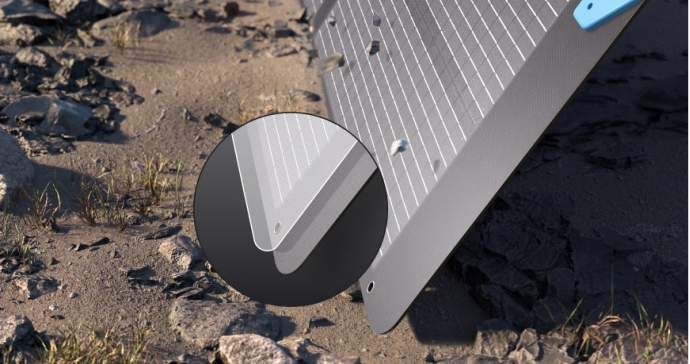
The grid often depends on fossil fuels, although many regions are transitioning toward cleaner portfolios. Solar energy, by contrast, produces electricity without emissions at the point of generation. For homeowners prioritizing sustainability, solar offers a direct way to shrink their footprint. The monocrystalline cells in the PS400 reach up to 23% conversion efficiency, giving users a small-scale view of how clean energy works. When comparing environmental impact, solar consistently ranks among the lowest-emission sources. This makes home installations attractive for long-term ecological responsibility and for reducing reliance on fossil-fuel-heavy grid mixes.
How Solar Panels Compare to Generator and Hybrid Energy Options?
Generators vs. Solar: Fuel, Maintenance, and User Experience
Traditional gas or propane generators produce power on demand but require fuel, regular maintenance, and noise tolerance. Solar panels, by contrast, run silently, require minimal upkeep, and depend on sunlight rather than fuel availability. Homeowners choosing between generators and solar must decide whether they value instantaneous power or long-term autonomy. The Anker SOLIX PS400 is useful here because it allows homeowners to visualize sunlight-driven production without fuel consumption. Generators still play a role in extended outages, but for everyday power generation and environmental benefits, solar panels provide cleaner and quieter performance. This difference makes solar a more attractive daily-use solution, while generators remain emergency-only tools.
Hybrid Systems Combining Solar, Storage, and Supplementary Sources
Hybrid systems integrate solar panels with home batteries, generators, or both. These systems offer unmatched reliability because they use solar for daily energy production and batteries for nighttime or outage support. With sunlight as the primary input, they reduce overall operating costs compared with generator-only systems. The PS400 supports this hybrid mindset by enabling flexible outdoor charging, especially when paired with portable power stations. Homeowners who test hybrid setups often recognize how panels supply clean energy while backup devices cover unpredictability. This balanced model explains why many new systems combine solar and batteries for optimal resilience.
Versatility and Portability for Off-Grid or Mobile Needs
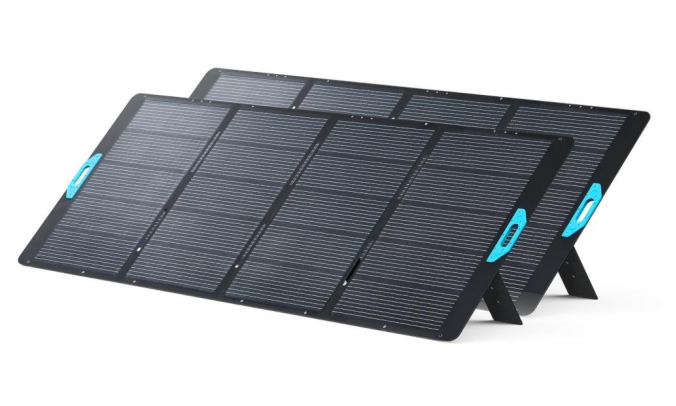
Roof-mounted panels meet home energy requirements, but portable panels offer flexibility for travel, remote work, outdoor recreation, or supplemental charging. The PS400’s four adjustable angles—30°, 40°, 50°, and 80°—allow users to adapt to changing sunlight throughout the day. Its waterproof design expands its usefulness beyond rooftops, especially in environments where mobility matters. When evaluating solar compared with other solutions, portability becomes an advantage. Generators are heavy and noisy, and grid access is unavailable in remote areas. With a panel like the PS400, sunlight becomes an accessible resource regardless of location. This versatility highlights another way panels solar home systems outperform conventional options for lifestyle-based use.
Conclusion
Home solar panels stand apart from grid electricity, generators, and hybrid systems by offering a unique balance of savings, sustainability, and independence. They reduce exposure to fluctuating utility rates, provide clean and quiet electricity, and integrate well with modern backup solutions. Comparing these options helps homeowners appreciate how solar contributes to daily energy use, long-term cost control, and environmental responsibility. Portable tools such as the Anker SOLIX PS400 Portable Solar Panel make these comparisons more tangible by showing how solar behaves across conditions, angles, and locations. When you understand the strengths and limits of each solution, solar becomes an intuitive and compelling component of a modern home energy strategy.